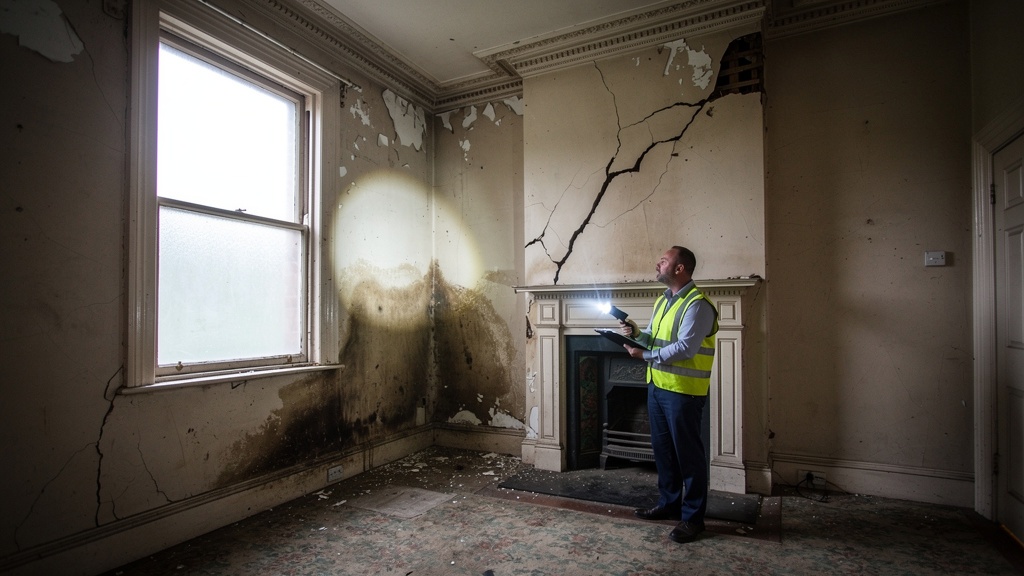
Over the past 20 years, I've personally surveyed more than 1,000 properties in Barnet and North London. As a practice, Barnet Surveyors has completed over 2,400 surveys. That's a lot of properties — and a lot of defects.
Here are the 10 potential issues we find most frequently, and what they typically mean for you as a buyer.
1. Rising and Penetrating Damp
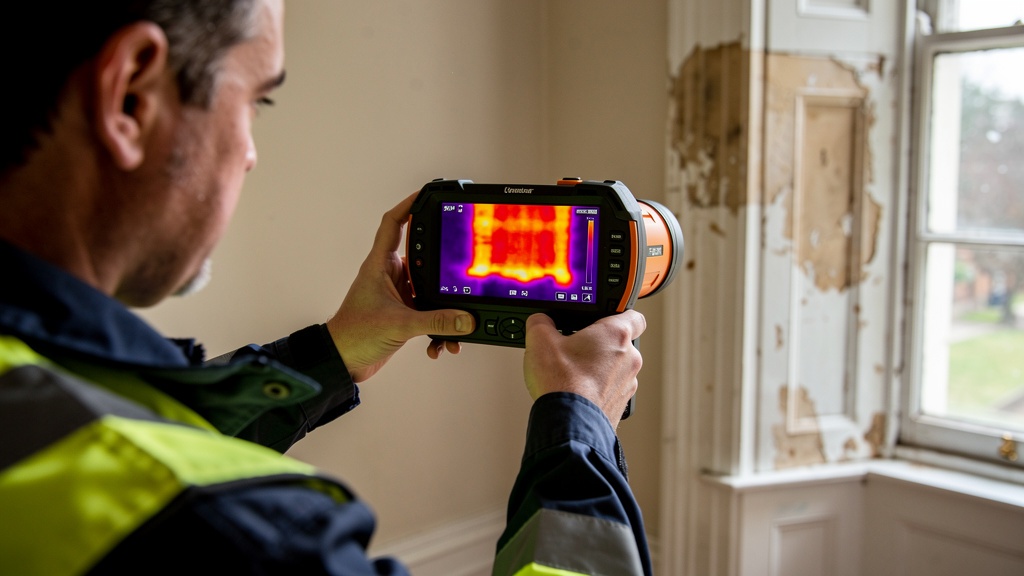
Damp is by far the most common finding on surveys in North London. Victorian and Edwardian properties often lack effective damp proof courses — or have had them installed poorly in the past. Penetrating damp through walls, particularly around windows and chimneys, is also common. Look out for tide marks on internal walls, peeling wallpaper or a musty smell.
Typical repair cost: £800–£5,000 depending on extent and treatment method.
2. Roof Defects
Roofs are expensive to replace and often neglected until they're leaking. Common roof issues in North London include cracked or missing tiles, failing lead flashings around chimneys and skylights, degraded flat roof membranes (common on 1930s–1980s extensions) and blocked or damaged gutters and downpipes.
Typical repair cost: £500–£15,000+ depending on the extent of work required.
3. Structural Cracks and Subsidence
London's clay-rich soil is notorious for movement, particularly during hot, dry summers. This can cause subsidence — where the ground beneath the foundations compresses or shifts, leading to structural movement and cracking. Not all cracks indicate subsidence; many are cosmetic. But some require specialist investigation.
Typical repair cost: £3,000–£30,000+ if underpinning is required.
4. Defective Electrical Systems
In older properties — particularly pre-1970s — we regularly find outdated electrical installations that don't meet current safety standards. Old rubber-insulated wiring, lack of residual current devices (RCDs), inadequate consumer units and unprotected circuits in bathrooms are all common findings.
Typical repair cost: £3,000–£8,000 for a full rewire.
5. Chimney and Flue Defects
Victorian terraces typically have multiple chimney stacks — and most have been either disconnected or had gas fires fitted. We often find poorly lined or unlined flues, deteriorated pointing and chimney stacks that are unstable. Chimney-breast removal without structural support is another dangerous defect we encounter more often than you'd think.
Typical repair cost: £500–£5,000 depending on the works required.
6. Timber Defects (Rot and Woodworm)
Wet rot and dry rot in floor joists, window frames and roof timbers are common — particularly in older properties where moisture has been allowed to penetrate over many years. Woodworm infestations are also frequently found in older timber elements. Dry rot, in particular, can spread rapidly and is expensive to treat.
Typical repair cost: £1,500–£20,000 for serious dry rot treatment.
7. Cavity Wall Insulation Issues
Many 1930s–1990s properties in North London have had cavity wall insulation retrofitted. While this is usually beneficial, poorly installed insulation can cause damp to bridge the cavity, leading to internal damp problems. This is a common finding in certain Barnet streets where council-led insulation programmes were carried out in the 1980s.
Typical repair cost: £3,000–£8,000 to extract and replace poorly installed insulation.
8. Flat Roof Problems
Extensions to 1930s–1970s properties often have flat roofs — and flat roofs have a limited lifespan. Bituminous felt degrades over time, leading to leaks that are often not discovered until they've caused damage to the structure below. Modern flat roofs (using EPDM rubber or GRP) are far more durable, but older materials need regular attention.
Typical repair cost: £2,500–£7,500 to replace an average extension flat roof.
9. Plumbing and Drainage Issues
We find a wide range of plumbing defects in North London homes — from old lead or iron pipework that should be replaced, to inadequate waste systems in converted Victorian properties. Drainage blockages and collapsed underground drains are also more common than most buyers realise.
Typical repair cost: £500–£10,000+ depending on the nature of the work.
10. Poor Building Works (Unauthorised or Poorly Done)
Extensions, loft conversions and internal alterations that have been carried out without planning permission or building regulations approval are a growing finding. Structural beams incorrectly sized or installed, staircases that don't meet building regulations, and fire safety deficiencies in converted properties are just some examples.
Typical repair cost: Very variable — but potentially significant if retrospective consent cannot be obtained.
What Should You Do If Your Survey Finds These Issues?
First — don't panic. Virtually every property has some defects. What matters is the severity and cost of the issues found, and whether they've been appropriately priced into the purchase price. That's where your survey report and a conversation with your surveyor become invaluable.
Your surveyor can help you understand the severity of each issue, provide guidance on repair costs and help you negotiate an appropriate reduction in the purchase price where warranted. In many cases, a survey that reveals significant issues saves buyers many times the cost of the survey itself.
Book a Building Survey in Barnet
Don't buy blind. Get a thorough Level 3 building survey from our RICS-regulated team before you commit.
Get a Free Quote