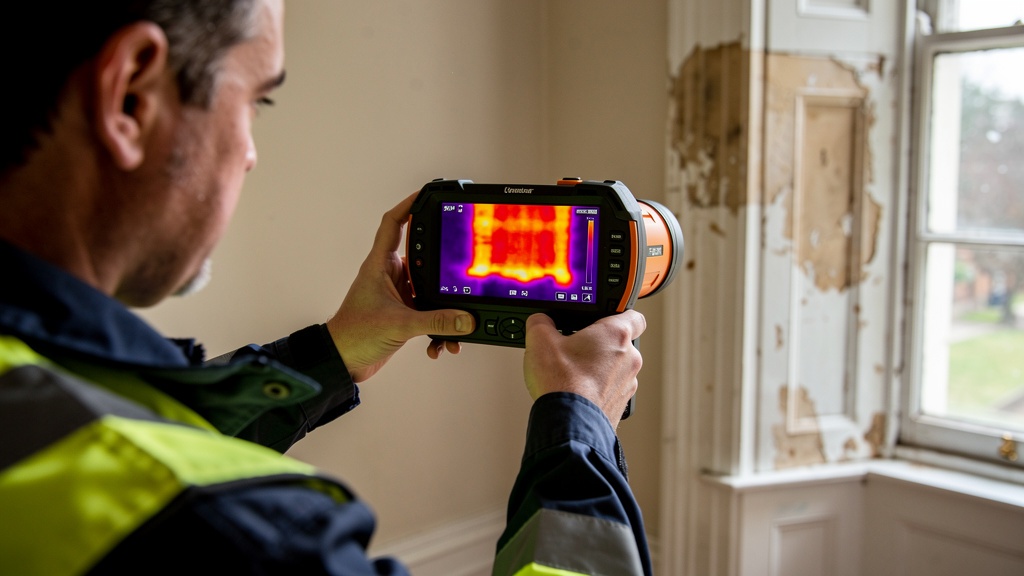
Victorian houses make up a huge proportion of the housing stock in Barnet and North London. They're charming, characterful and often exceptionally well-built. But they're also old — and damp is the number one issue we find when surveying them.
In 20 years of surveying Victorian properties across North London, I'd estimate that I find some form of damp-related issue in over 70% of inspections. That doesn't mean you should avoid Victorian houses — far from it. But it does mean that if you're buying one, you need to understand what you might be taking on.
The Three Types of Damp You'll Encounter
1. Rising Damp
Rising damp occurs when groundwater is drawn up through the masonry of a wall by capillary action. Victorian properties often lack effective damp proof courses (DPCs), and where DPCs were added retrospectively, they can deteriorate over time.
Signs of rising damp include: tide marks on internal walls (typically up to about 1 metre from floor level), salt deposits (efflorescence), peeling wallpaper and paint, and a characteristic musty smell. In older properties, the damp may have been concealed behind fresh decoration — which is why a professional survey is so important.
Treatment cost: £1,500–£5,000 depending on extent.
2. Penetrating Damp
Penetrating damp occurs when water enters the building through the external fabric — typically through failing pointing, cracked render, defective gutters and downpipes, or poorly sealed window and door frames. It can occur at any height on the wall.
Signs include: damp patches that appear after rain (rather than year-round), discolouration and staining, and moisture readings on a survey meter. The key is to identify and fix the source, not just treat the symptom.
Treatment cost: £500–£3,000 depending on the source and extent.
3. Condensation
This is the most common form of damp — and the most frequently misdiagnosed. Condensation occurs when warm, moist air meets cold surfaces. It's particularly prevalent in Victorian properties with poor insulation and inadequate ventilation. The key signs are black mould on walls and ceilings (especially in corners and around windows), water droplets on glass and cold surfaces, and a musty smell.
Condensation is often caused by occupant behaviour (drying clothes indoors, cooking without ventilation) and building fabric issues, rather than rising or penetrating damp. It's generally the least expensive to address — but it needs to be correctly diagnosed first.
Treatment cost: £200–£2,000 depending on the required ventilation improvements.
Why Damp Surveys Matter
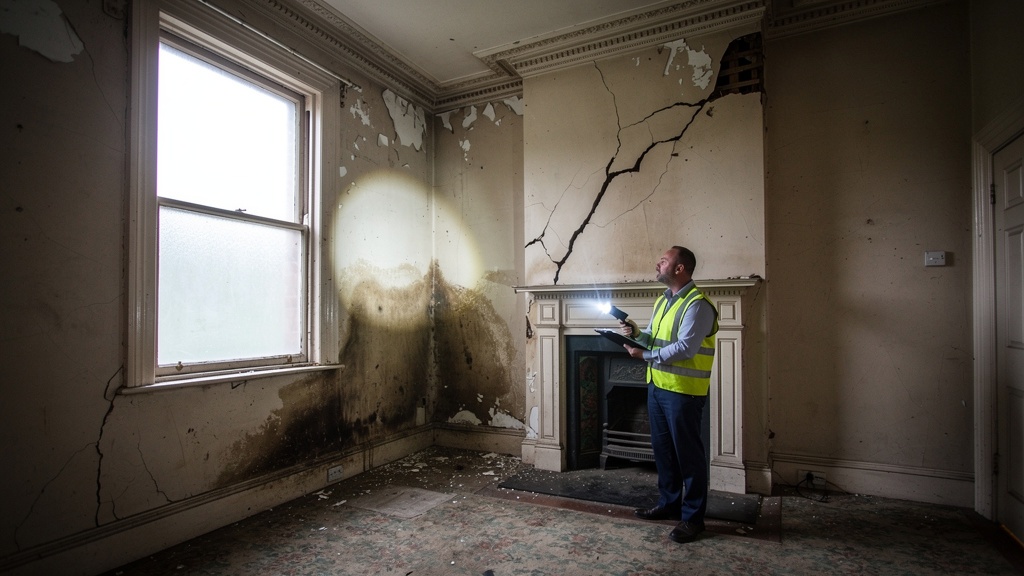
The challenge with damp in Victorian properties is that it's often hidden — particularly where a property has been recently redecorated. A professional Level 3 building survey uses moisture meters, thermal imaging and physical inspection to identify damp even where it's not visible to the naked eye.
We once surveyed a beautifully presented Victorian terrace in Finchley. The vendor had just redecorated throughout — fresh paint, new carpets, the works. Our survey identified extensive rising damp behind the freshly painted walls in the front reception room and the hallway. The cost to treat? £4,200. Without the survey, the buyers would have had no idea.
Should Damp Put You Off a Victorian Property?
Generally, no — as long as the damp has been correctly identified, the cause understood, and the cost of treatment factored into the purchase price. Victorian properties with damp issues can be brought back to a perfectly dry, comfortable condition with appropriate treatment.
What you should avoid is proceeding without a survey, or buying a property where the damp has been cosmetically concealed without the underlying cause being addressed. That's a recipe for ongoing problems and escalating costs.
What to Do If Your Survey Finds Damp
- Ask your surveyor to explain the likely cause and recommended treatment.
- Get quotes from specialist damp proofing contractors (ideally at least two).
- Use the damp findings to help you negotiate on the purchase price.
- Make sure any remedial works are guaranteed and covered by the contractor's warranty.
Surveying a Victorian Property in Barnet?
Our Level 3 building surveys are specifically designed for older properties like Victorian terraces. Get a free quote today.
Get a Free Quote