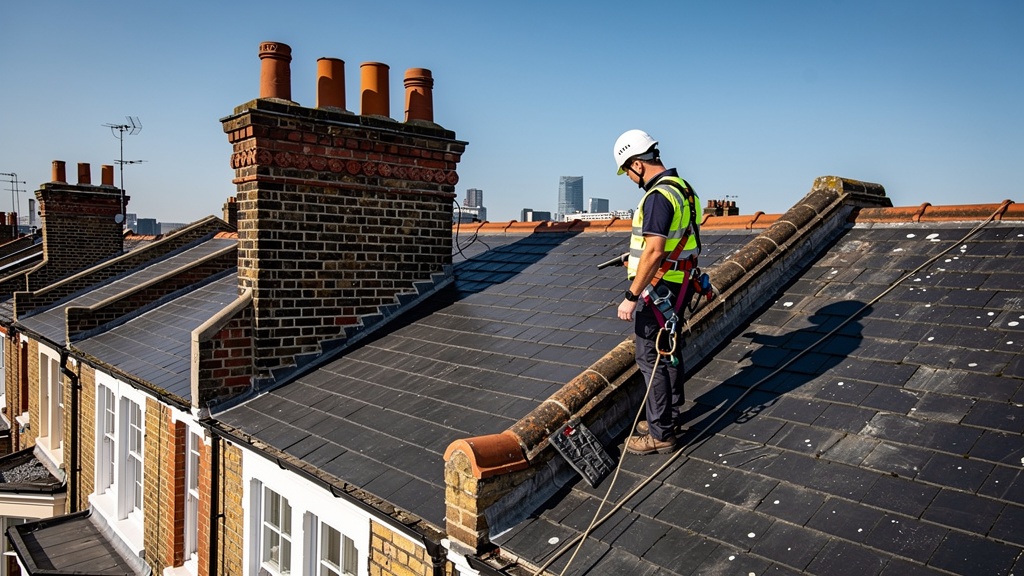
In over twelve years of surveying properties across Barnet and North London, the roof is the single most common source of significant defects I identify. A roof inspection is a critical part of any building survey — and understanding what we look for can help you as a buyer know what questions to ask before you commit to a purchase.
North London's housing stock presents particular challenges. The area is dominated by Victorian and Edwardian terraces and semis, many with original roof structures that are now 100–130 years old. Add in decades of British weather, previous owners' DIY repairs, and the common North London problem of lead flashing failures around chimney stacks, and it's easy to see why roofs deserve such careful attention.
Why Roof Condition Matters So Much When Buying
A failing roof can lead to water ingress, timber rot, ceiling collapses, structural damage and, in worst cases, costly emergency repairs. A full roof replacement on a typical North London terrace can cost £8,000–£20,000 depending on size, material and access. That's a significant sum — and one that, if identified in a survey, can often be used to renegotiate the purchase price.
The challenge is that roof defects are often not visible from street level. You need to inspect from close range — and ideally from within the roof void — to identify issues like failed felt, cracked tiles, poor flashings, and defective timber structure.
What a Surveyor Inspects During a Roof Survey
Roof Covering — Tiles and Slates
The most visible part of the roof. We look for cracked, slipped or missing tiles and slates; signs of patch repairs using incompatible materials; moss and vegetation growth (which retains moisture and accelerates deterioration); and the general condition and consistency of the covering. On Victorian properties, original Welsh slate is common — and generally excellent when maintained, but can become brittle with age.
Chimney Stacks
Chimney stacks are one of the most common sources of water ingress in Victorian and Edwardian properties. We inspect the condition of the brickwork and pointing; the lead or mortar flashing at the base of the stack where it meets the roof covering; the pots and haunching at the top; and any chimney cowls or caps. Failed flashing around chimney stacks is the number one cause of roof-level damp penetration in North London homes.
Flat Roofs
Extensions and back additions on Victorian terraces frequently have flat roofs — and flat roofs have a limited lifespan (typically 10–25 years depending on material and maintenance). We assess the condition of felt, asphalt, GRP (fibreglass) or single-ply roofing; check for ponding water; and inspect any roof lights, skylights, or upstand details. A flat roof at end of life is a common finding in North London surveys and, while not catastrophic, does need to be budgeted for.
Gutters and Downpipes
The rainwater disposal system is part of our roof inspection. We check cast iron or uPVC gutters for blockages, splits, misalignment and overflows; downpipes for damage and correct discharge; and note any evidence of overflowing that has led to damp penetration to the walls below.
Roof Void Inspection
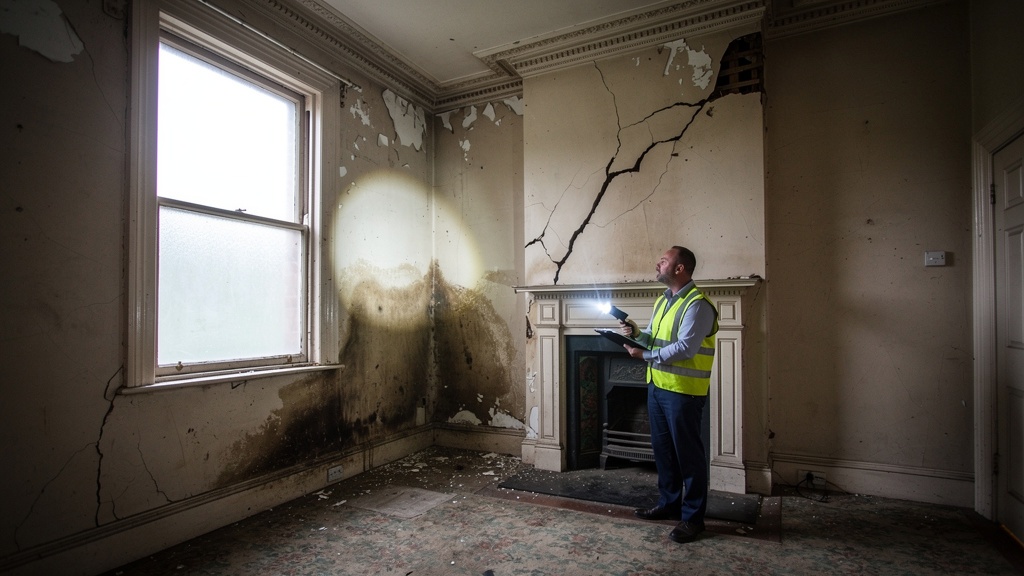
Where access is available via a loft hatch, we inspect the roof structure from within. This allows us to assess the condition of rafters and purlins (the main structural timbers); look for evidence of water staining, rot or insect attack; check the underlay or sarking felt; inspect any insulation; and identify any structural modifications or repairs. A roof void inspection provides a completely different perspective from external inspection alone.
Common Roof Defects Found in Barnet Properties
Based on our surveys across the Barnet area, here are the most common roof defects we encounter:
Failed Chimney Flashing
The most common defect. Lead or mortar flashing fails, allowing water entry. Repair cost: £300–£1,500.
Slipped/Cracked Slates or Tiles
Individual slates slip or crack, allowing water ingress. Repair cost: £200–£1,000 for spot repairs.
Failed Flat Roof
Flat roofs to extensions at end of serviceable life. Replacement cost: £2,000–£8,000 depending on size.
Rotten Roof Timbers
Water ingress over years causes timber rot in rafters and wallplates. Repair: £1,500–£6,000.
Gutter Blockage & Overflow
Blocked gutters cause overflow and penetrating damp. Clearance and repair: £150–£500.
Missing Pointing to Parapet Walls
Parapet walls common in Victorian terraces — deteriorated pointing allows water entry. Repointing: £500–£2,000.
What Happens When a Surveyor Finds a Roof Problem?
When we identify a roof defect in a survey, we assign it a condition rating:
- Condition 1: No significant repair required — routine maintenance only
- Condition 2: Repair or maintenance needed — should be addressed but not urgent
- Condition 3: Urgent attention required — significant defect needing prompt action
A condition 3 rating on the roof structure or covering is a serious finding. It means you need to get specialist quotes before exchange and consider renegotiating the price. We always recommend getting two or three quotes from specialist roofing contractors for any significant roof work.
Case Study: Victorian Semi in Whetstone
We recently surveyed a three-bedroom Victorian semi-detached in Whetstone, listed at £695,000. The property looked well-presented from street level. However, our inspection identified:
- Failed lead flashing around all three chimney stacks — water ingress to front bedroom confirmed by moisture readings
- Significant moss growth on rear slope, with several slipped slates below
- Flat roof to ground floor rear extension showing cracking and blistering — at end of serviceable life
- Roof void inspection revealed water staining to several rafters — no active rot, but requires monitoring
Total estimated cost of repairs: £7,500–£12,000. The buyers used the survey to negotiate a £10,000 reduction. The survey fee was £650. The maths is simple.
Do I Need a Separate Roof Survey?
A standard RICS Level 2 or Level 3 building survey includes a roof inspection. However, if we identify significant concerns during the survey, we may recommend commissioning a specialist roofing contractor to carry out a more detailed inspection and provide a written quote. This is particularly the case where we cannot access all roof areas due to height or access limitations.
A standalone "roof survey" from a specialist roofer is a separate, non-RICS product. It's useful for getting detailed repair specifications and quotes — but it's not a substitute for a full building survey.
Frequently Asked Questions About Roof Surveys
Can a surveyor get onto the roof?
RICS guidelines require surveyors to inspect roofs from a safe position. For most properties, this means inspection from ground level using binoculars or inspection poles; and from within the roof void via the loft hatch. Surveyors are not required to access the external roof surface, but where safe access is provided (e.g., via a ladder to a low-pitched section), we will take advantage of it.
How much does a roof replacement cost in North London?
A full roof replacement on a typical North London terrace or semi-detached (replacing all tiles/slates, underlay and repairing timbers as needed) typically costs £8,000–£18,000. Costs vary significantly based on property size, roof area, access, and the type of material used. Always get at least two quotes from NFRC-registered roofing contractors.
What is the lifespan of different roof types?
Welsh slate: 80–150 years when maintained. Concrete interlocking tiles: 40–60 years. Clay plain tiles: 50–80 years. Felt flat roofs: 10–15 years. GRP fibreglass flat roofs: 25–40 years. Natural slate can outlast the building — but it depends on the condition of the fixing nibs and any previous repairs.
Should I renegotiate if the survey finds roof problems?
Absolutely — and we encourage it. If the survey identifies significant roof defects, you should get written quotes from specialist contractors and use these to inform your negotiation. Most vendors would rather reduce the price than lose a sale. See our guide on how to use your survey report to renegotiate.
Are roof surveys included in a homebuyers report?
Yes — both RICS Level 2 (Homebuyers Report) and Level 3 (Building Survey) include a roof inspection. The Level 3 provides more detailed commentary on the roof's condition and structure, and includes a roof void inspection where access is available.
Book a Building Survey in Barnet
Worried about the roof on a property you're considering buying in Barnet? Our RICS surveyors will carry out a thorough roof inspection as part of a full Level 3 Building Survey or Level 2 Homebuyers Report. We serve all areas across Barnet and North London.
Get a Survey Quote Today
Speak to a RICS surveyor about your property. Fast response, competitive fees, expert local knowledge.
Get a Free Quote